5.6 years ago pumpkin, recipe
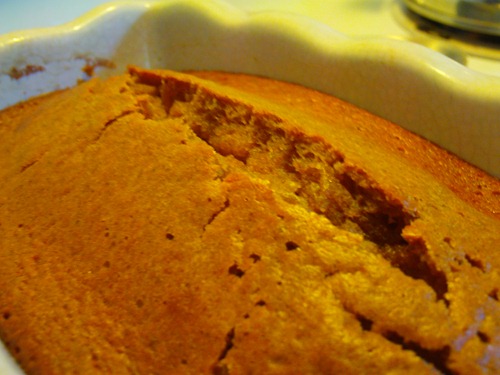
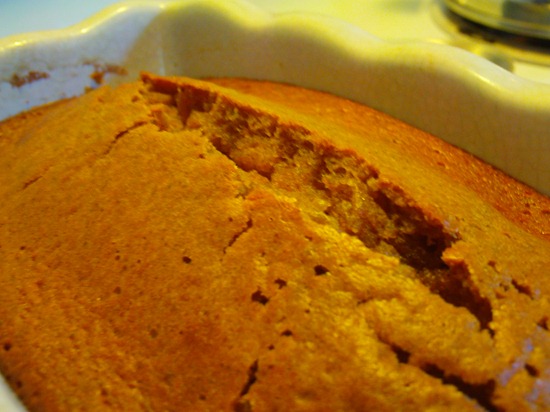
After having an abundance of cooked pumpkin after over purchasing on a couple of organic pie pumpkins I decided to make some pumpkin bread, here is the recipe I have always had great results with.
Ingredients
- 2 cups cooked pumpkin plus 1 cup or water or 16 oz can of canned pumpkin plus 1.25 cups water
- 3.5 cups all purpose flour
- 2 tsp. baking soda
- 3 cups sugar
- 4 eggs
- 1 cup vegetable oil
- 1.5 tsp. kosher salt
- 2 tsp. cinnamon
- 2 tsp. nutmeg
Directions
- Preheat oven to 350 F.
- Combine flour, baking soda, salt, cinnamon, nutmeg, and sugar into a large mixing bowl.
- In a separate bowl whisk eggs, water, oil and pumpkin.
- Slowly at wet ingredients to dry ingredients and blend until well combined.
- Pour into two lightly greased and floured bread loaf pans.
- Bake for 1 hour and test if done by inserting a knife into the middle of the loaf and when it comes out clean it is done.
- Let cool for 30 minutes, top with aluminum foil and place into your refrigerator and let cool overnight.
7.4 years ago clone, cuttings, rosemary, sage
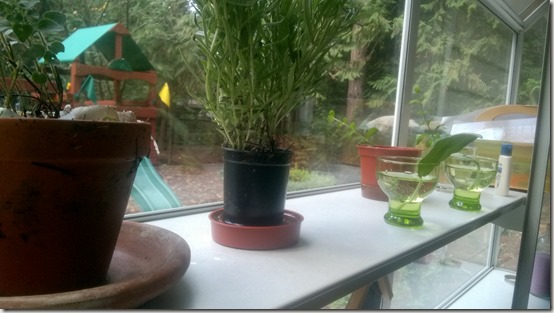
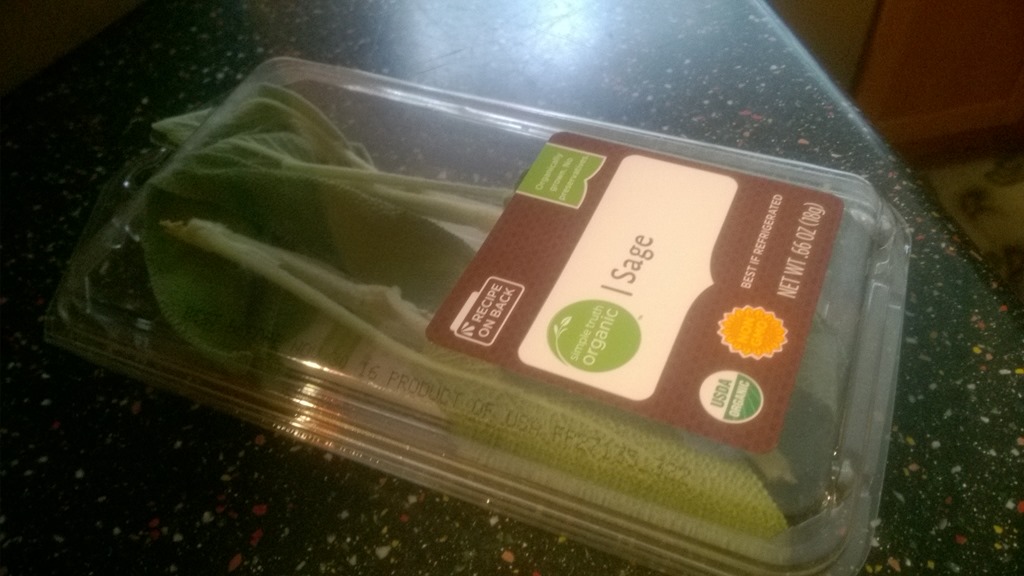
Each thanksgiving I always end up buying rosemary and sage for our turkey dinner always having thoughts that I should plant some next spring…winter happens then of course I forget until next thanksgiving…
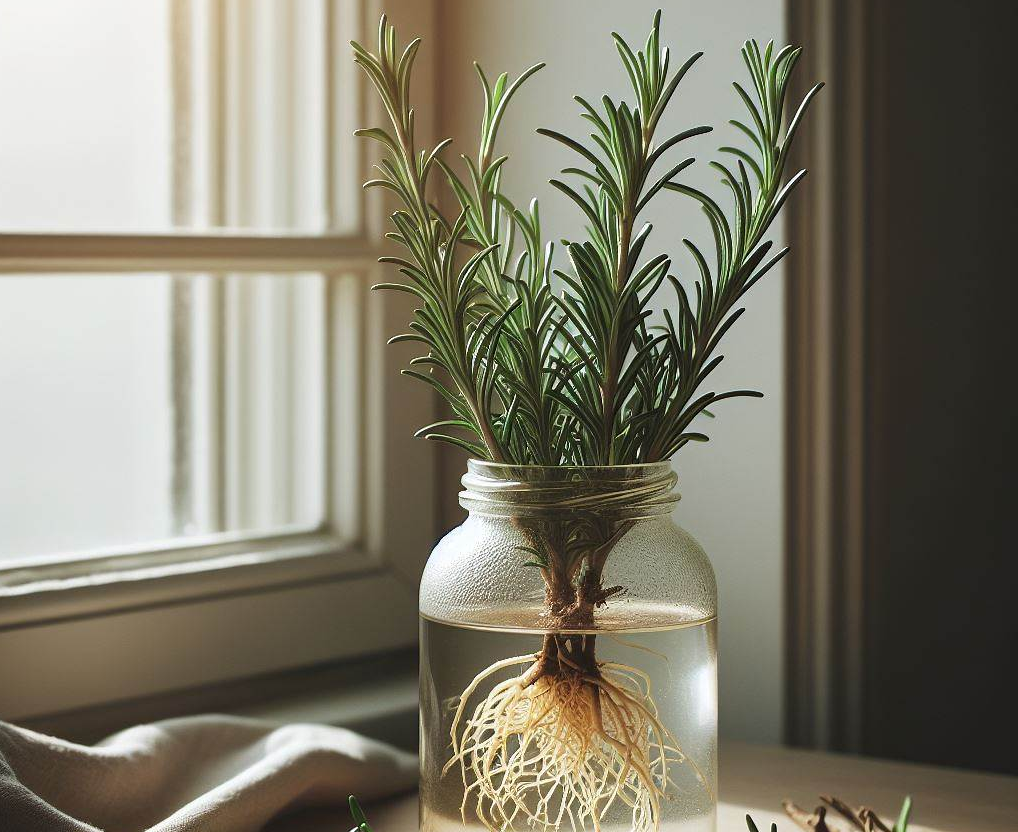
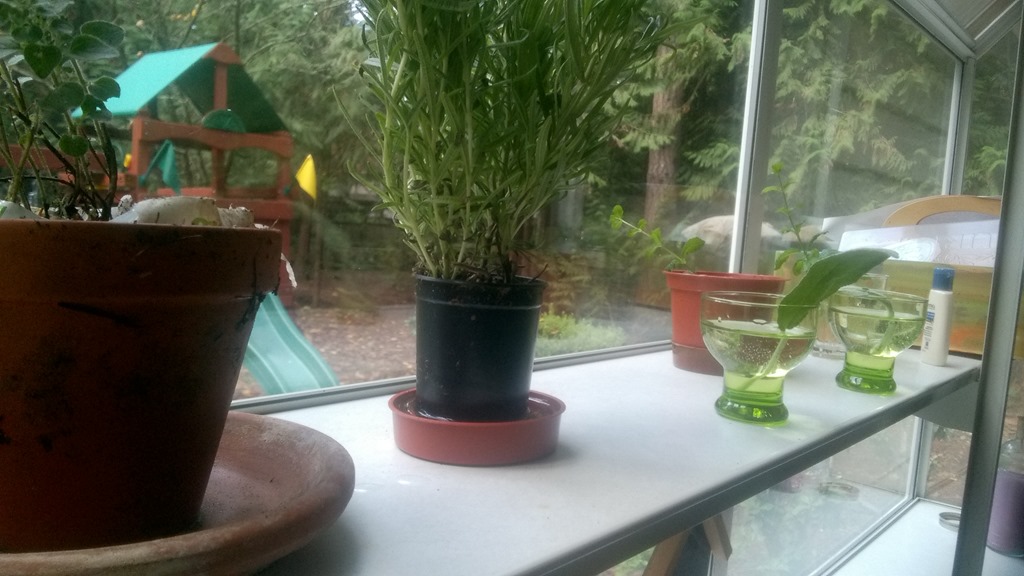
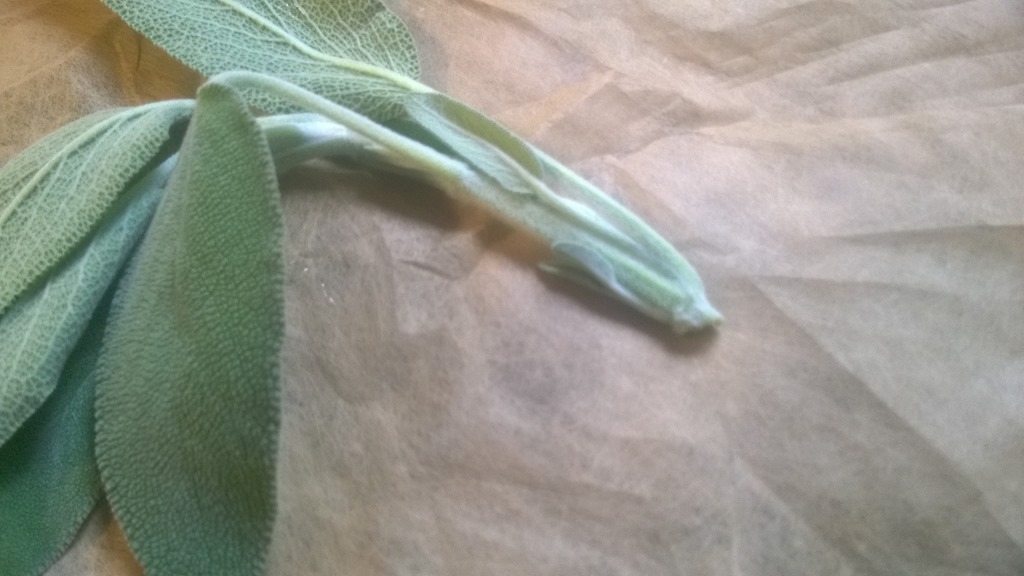
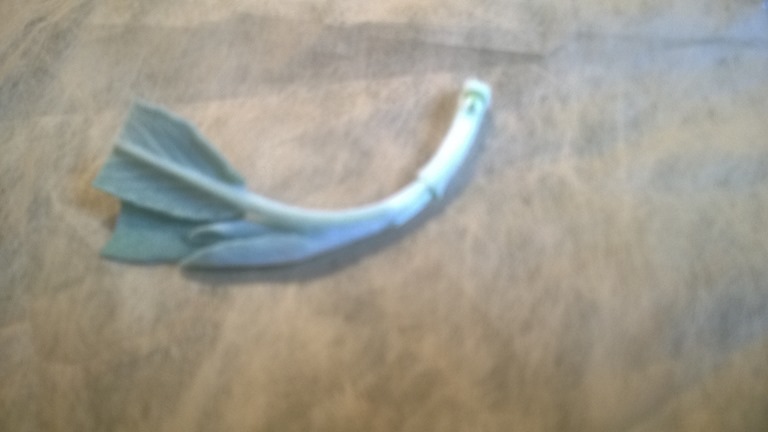
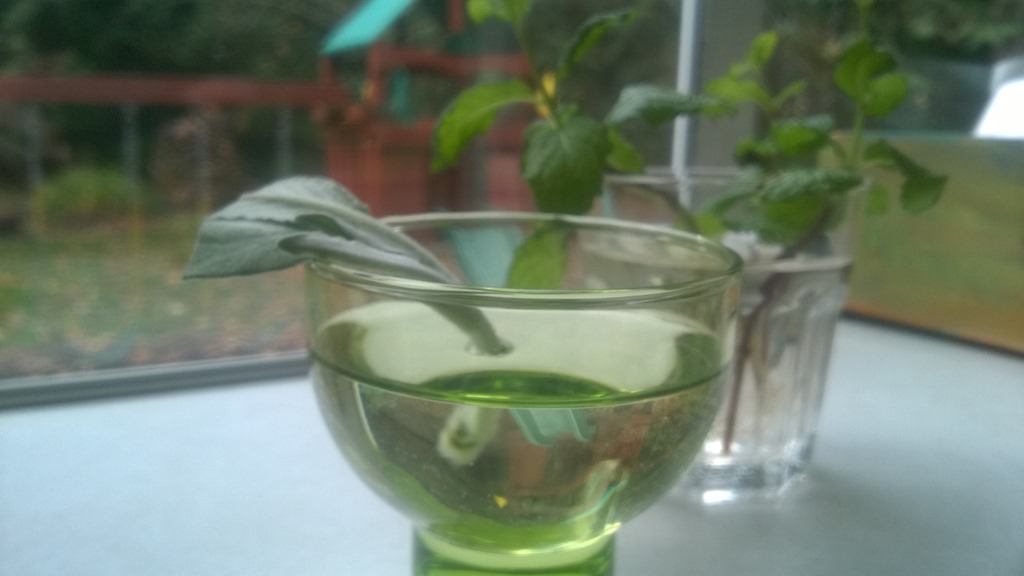
This year I got a bit more proactive and decided to just start the plants now using cuttings from fresh herbs I purchased from the grocery store. I have done this before with mint and actually have done again if you look carefully in the same picture above since I remembered bringing some mint with me when I moved…though no where to be seen…maybe it is possible to kill mint who knew…
So process to clone take a cutting from an herb usually goes something like this:
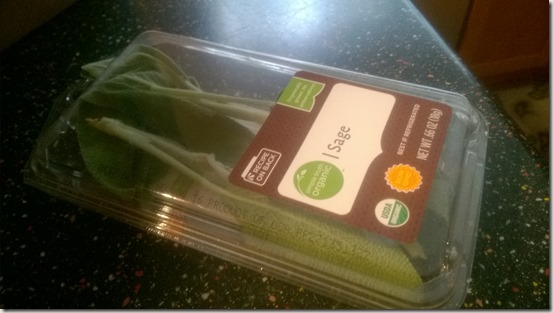
Step #1: Get some herbs from your grocery store…or if you notice a nice neighbor with some growing in their yard you can ask nicely if you can take a cutting
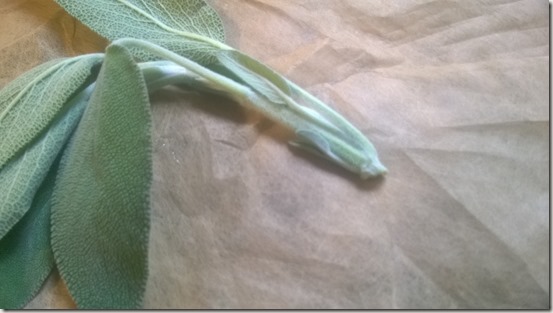
Step #2: Cut the stem just under the node (place where new leaves are coming out…I typically cut at around a 45 degree angle with theory there is more surface area for root growth but probably doesn’t matter all that much.
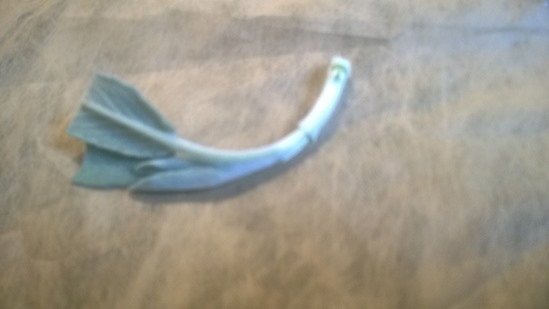
Step #3: Remove all leaves except last couple and those cut about half of them off. This ensures that energy is going towards root growth and should help with moisture loss.
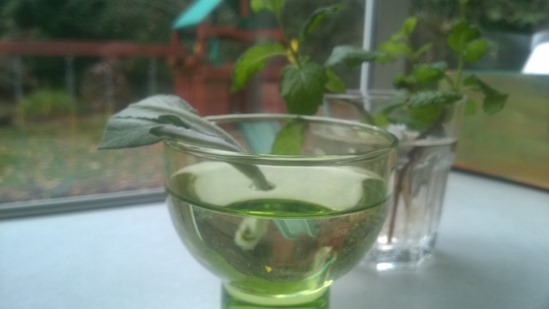
Step #4: Couple ways you can go at this point…you can just drop them in water and check on them every few days and make sure they still have water…or you can plant them directly in soil and possible water a couple times a day to keep soil from drying out…prone to being easily distracted I pretty much 100% go with option 1 but if you were creating dozens of these then soil may be a better option.
Step #5: (Optional) To preserves moisture you can place a plastic bag over the glass or even better get one of those shower caps you took from the motel and really had no good use for and place that on top. I normally skip this step since I live in Western Washington high humidity has some advantages…
Step #6: Wait a 2-3 weeks until the plant develops some pretty solid roots then transplant into some soil and be sure to keep well watered until it gets established.
Hopefully if I did all this correctly I will not be buying Sage and Rosemary next year…oh and for Rosemary you might be able to tell, I cheated and just paid the extra dollar and got a live plant with its own roots already…though probably will still take a couple cuttings for “fun” and backup just in case…and not a bad edible ornamental plant for the yard if I end up with a couple extra…
8.2 years ago cheap, indoor growbox, indoor seed starting, seedling, seeds
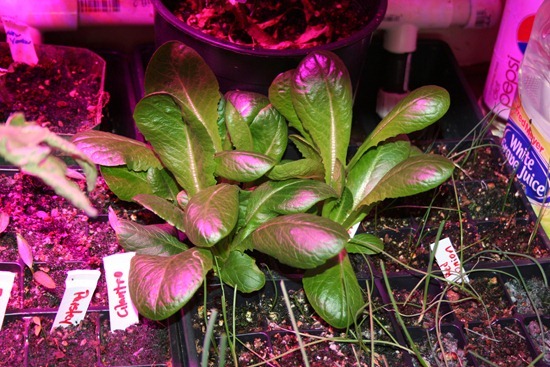
When you start seeds indoors in a vegetable garden, it can be difficult getting your schedule down to ensure that start your vegetable seeds with enough lead time that they are mature enough to venture outside but also not so large they take over your growing area.
Personally this has been a difficult part for me where I am really good getting the early vegetables started on time (onions, peppers, tomatoes) but when it comes to the later plants and/or second/third plantings is where I begin to get forgetful. Over the years I have come across a couple of great tools to make this easier that I thought I would share.
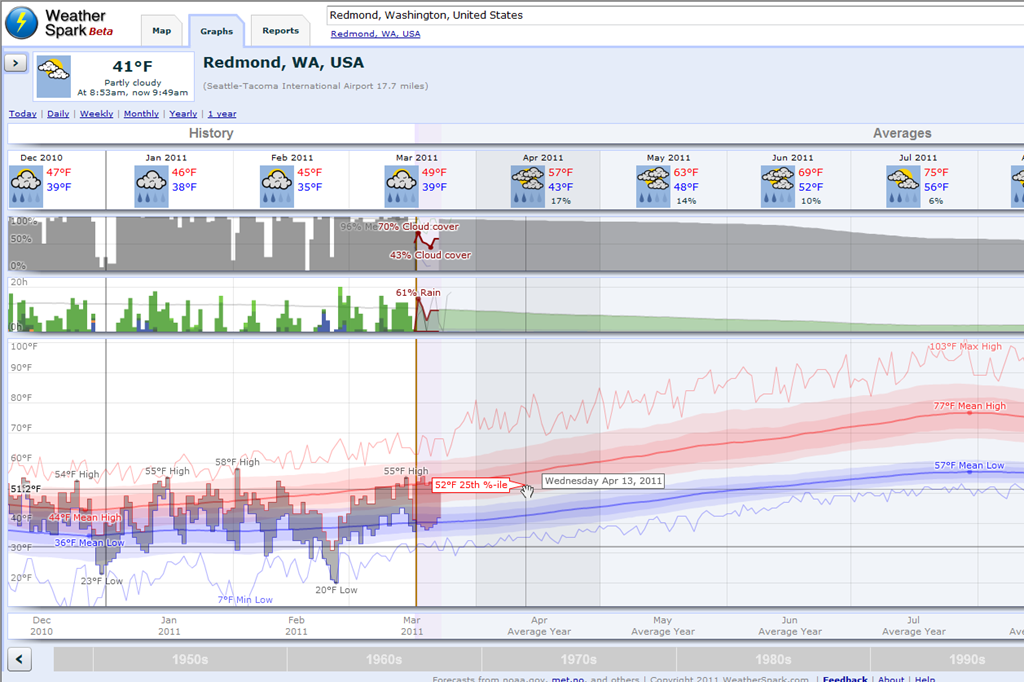
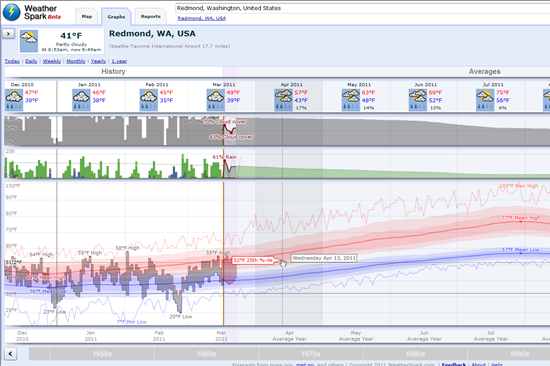
No matter which option you choose to start garden seeds indoors you will need to determine an important date, your last frost date. There are many sites/tables out there that will give an estimate I actually have a couple posts on the subject but at the moment my favorite site that makes this very easy is WeatherSpark, it uses historical data with great visuals to easily determine when the best probability of picking the right date. Here you can take a look at this historical data and make your call of what date you think will be safe.
1. Create a garden schedule. Just by figuring out your last frost date and doing a little math (Excel works great for this) you can determine the optimal seed starting dates and even get a general idea of when your plants should be ready for transplanting. What I love about this technique is you can tweak it each year as things worked well (or not so well) in previous years to get the schedule finely tuned to your particular garden and the micro-climates within it.
In addition knowing an estimate of when these plants will be venturing out in the wild can assist in your space planning for your seeding area as well as having a reality check if you see your peppers will be ready to be transplanted in March when it doesn’t get above freezing until mid-June.
Here is my schedule for starting seeds indoors my area and estimated last frost date (April 20th), though sure everyone that is reading this will not have the same date as mine so thanks to my infinite nerdiness I made the following table so you can adjust the “Last Frost Date” to yours and see how my schedule would look in your area.
| Vegetable Name |
Seed Start Date |
Estimated
Transplant
Date |
Estimated
Harvest
Date |
| Celery |
1/19/2013 |
3/18/2013 |
4/24/2013 |
| Onion |
1/19/2013 |
3/25/2013 |
5/24/2013 |
| Leeks |
1/19/2013 |
3/21/2013 |
6/3/2013 |
| Kale |
1/26/2013 |
3/7/2013 |
3/22/2013 |
| Artichoke |
1/31/2013 |
4/27/2013 |
6/20/2013 |
| Kohlrabi |
2/9/2013 |
3/15/2013 |
4/5/2013 |
| Pak Choi |
2/9/2013 |
3/6/2013 |
4/10/2013 |
| Parsley |
2/8/2013 |
4/6/2013 |
4/24/2013 |
| Lettuce |
2/9/2013 |
3/6/2013 |
4/5/2013 |
| Broccoli |
2/9/2013 |
3/15/2013 |
4/20/2013 |
| Pepper – Jalapeno |
2/9/2013 |
4/28/2013 |
4/25/2013 |
| Pepper – Bell |
2/9/2013 |
5/4/2013 |
4/25/2013 |
| Swiss Chard |
2/16/2013 |
3/20/2013 |
4/7/2013 |
| Cabbage |
2/16/2013 |
3/31/2013 |
5/7/2013 |
| Brussel Sprouts |
2/22/2013 |
3/31/2013 |
5/23/2013 |
| Collards |
3/2/2013 |
3/24/2013 |
5/1/2013 |
| Tomato |
3/2/2013 |
5/4/2013 |
5/21/2013 |
| Spinach |
3/9/2013 |
|
4/23/2013 |
| Peas |
3/9/2013 |
|
5/13/2013 |
| Turnips |
3/9/2013 |
|
5/8/2013 |
| Watermelon |
3/16/2013 |
5/27/2013 |
6/14/2013 |
| Basil |
3/24/2013 |
5/14/2013 |
6/22/2013 |
| Potatoes |
3/30/2013 |
|
7/8/2013 |
| Radish |
3/31/2013 |
|
5/5/2013 |
| Beets |
3/31/2013 |
|
6/4/2013 |
| Carrots |
4/9/2013 |
|
6/23/2013 |
| Corn |
4/9/2013 |
5/7/2013 |
6/28/2013 |
| Cucumber |
4/9/2013 |
5/16/2013 |
6/8/2013 |
| Okra |
4/9/2013 |
5/11/2013 |
6/13/2013 |
| Pumpkin |
4/9/2013 |
5/7/2013 |
7/28/2013 |
| Summer Squash – Sunburst |
4/9/2013 |
5/16/2013 |
6/3/2013 |
| Winter Squash – Hunter |
4/9/2013 |
5/16/2013 |
7/3/2013 |
| Zucchini |
4/9/2013 |
5/16/2013 |
6/3/2013 |
| Lettuce |
4/13/2013 |
|
6/7/2013 |
| Beans |
5/4/2013 |
|
7/13/2013 |
| Dill |
5/11/2013 |
|
7/15/2013 |
| Carrots |
5/27/2013 |
|
8/10/2013 |
| Broccoli |
6/22/2013 |
8/2/2013 |
8/31/2013 |
| Cabbage |
6/22/2013 |
8/2/2013 |
9/10/2013 |
| Kale |
6/22/2013 |
7/22/2013 |
8/16/2013 |
| Kohlrabi |
6/22/2013 |
7/29/2013 |
8/16/2013 |
| Cabbage – Napa |
7/24/2013 |
8/21/2013 |
10/7/2013 |
| Pak Choi |
7/24/2013 |
8/21/2013 |
9/22/2013 |
| Onion – Bunching |
7/24/2013 |
|
10/2/2013 |
| Turnip |
7/24/2013 |
|
9/22/2013 |
| Lettuce |
8/3/2013 |
|
9/27/2013 |
| Spinach |
8/10/2013 |
|
9/24/2013 |
| Corn Salad |
8/10/2013 |
|
9/29/2013 |
| Garlic |
10/12/2013 |
|
2/14/2014 |
| Pak Choi |
12/14/2013 |
1/26/2014 |
2/12/2014 |
* N/A because vegetables should be sown directly in the ground.
2. Create a garden plan online and get reminders. My favorite online vegetable gardening software is GrowVeg. It is very easy to use and provides some great visuals when to specifically plant seeds and transplant your seedlings outdoors, which you can see below.
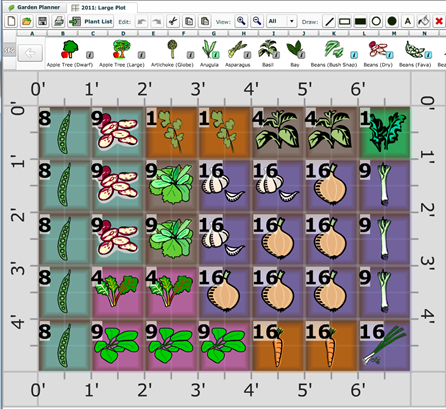
In addition you also can recreate a virtual copy of your garden and plan exactly where you want to plant your vegetables, to ensure your ambitions for growing a huge crop this year does not exceed the reality of the limited space you have to actually grow. It also remembers where you planted vegetables in previous years to help enforce crop rotation to ensure pests/diseases will be forced to remain in check.
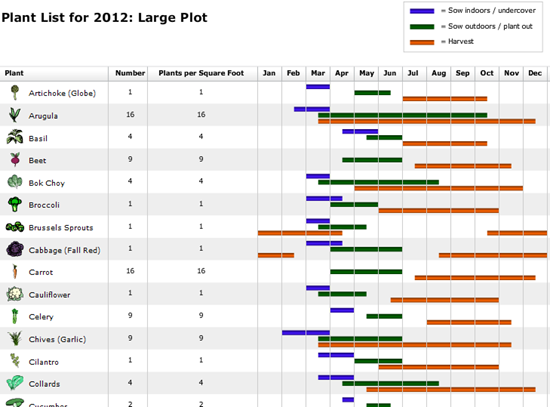
Though one of my favorite features is the weekly reminders, once a week you get a simple email letting you know what plants you should be starting/transplanting that week. This was very helpful later in the season where I probably would have completely forgotten about my carrots without this helpful reminder.
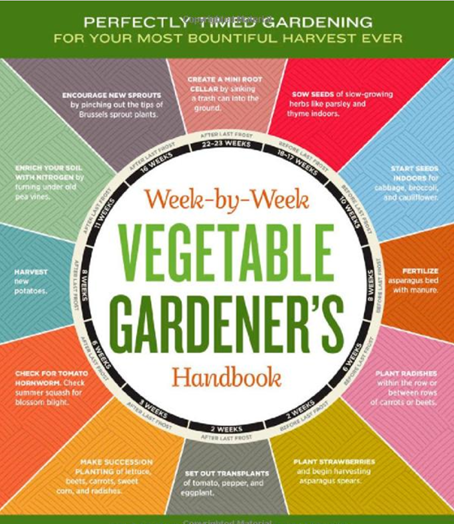
3. Buy a garden planning book. If you want something that you can really get your hands on you might want to check out the Week-by-Week Vegetable Gardener’s Handbook helps with this problem by providing weekly reminders of what vegetables you should be order/planting and what preparations you should be doing in your garden. This can be a very helpful tool in getting a little more organized in your vegetable garden.
Already falling behind on your seed planting here are a few great options to get a great selection of seeds without spending a lot of money:
- One of my favorites is Burpee Seeds, they have been around since 1876 and definitely know their stuff. The actually have a seed sale going on now where you get $15 off on order of $75 (just use code AFFB4A35) expires on 1/15
 .
.
- The name is not too exciting but Generic Seeds
 offers no thrills packaging with quality seeds and very reasonable prices and if you spend $20 or more shipping is on them.
9 years ago farmers market

We actually had some great weather the first couple weekends of the farmers market. We got our typical early season purchases (kettle corn and apples) though also got some strangely slightly higher priced flowers for mothers day.
Though we did learn something important after our first visit…be sure to not eat right before going to the farmers market and stay hungry for the great food.


9 years ago chicken coop, chickens
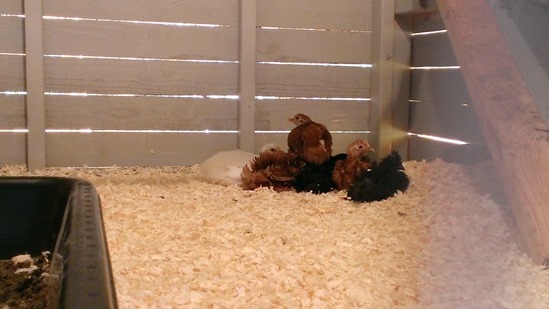
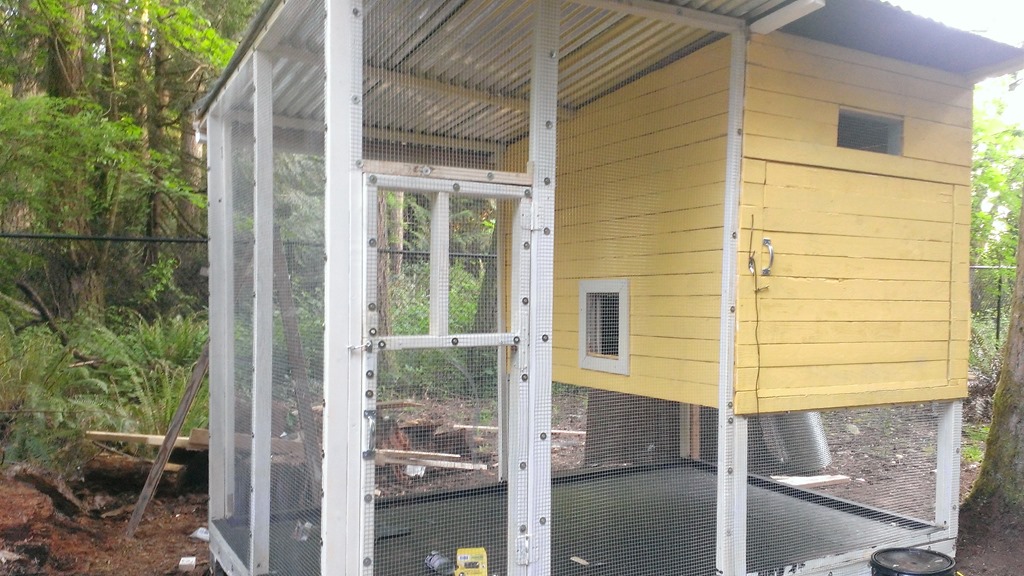
Well good news I got the chicken coop done just in time for the little guys to move out there this weekend. In all I like how it turned out and for now feel it should be pretty secure with the solid floor, elevated coop, and entirely wrapped in 1/2 inch hardware cloth (a bit pricey but probably worth the cost of waking up to raccoons in the coop…)
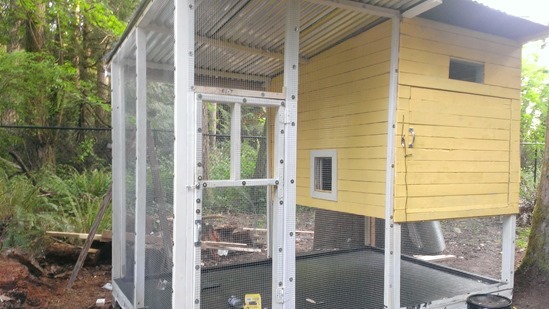
I did have a couple additions after taking this picture by adding a little window at the bottom of the clean out door so the kids and take a peek at the chickens without having to open the door. I also installed the ramp to get from the coop to the run.
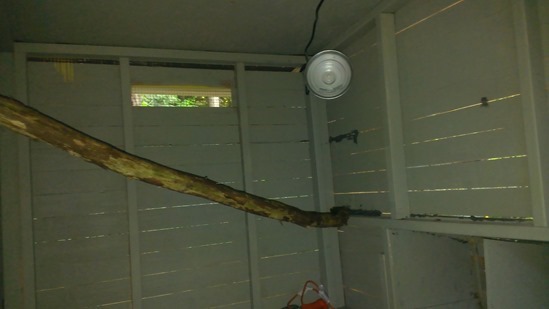
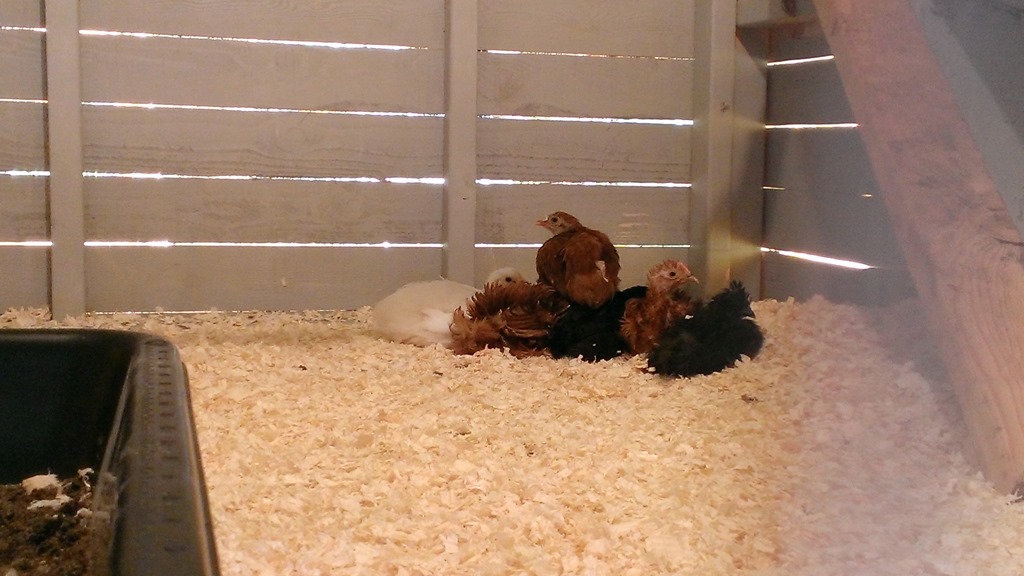
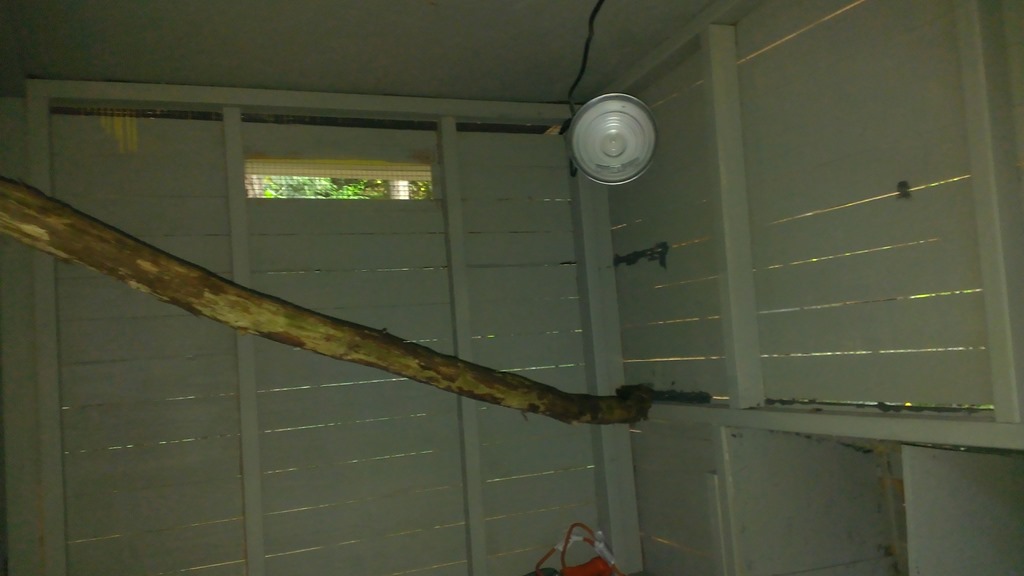
Inside the coop I went natural with a simple stick to use as a roost since I have so many of these around the property…though at the moment the chickens are more interested in pecking at it than standing on it. I also have a standard light with 75 watt bulb which I am keeping on all day and a infrared heat lamp I am just turning on at night in case they get a little chilly.
Once they get a little less “chicken” and actually venture outside during the day I will turn off the light during the day and as they get a little bigger will wean them off the heat lamp as well (possible bringing it back this winter if we get some colder than typical winters.
Will plan on creating another post eventually with some specifics of construction and the cool features I added as well as things I probably would have done differently.
 Latest Entry